

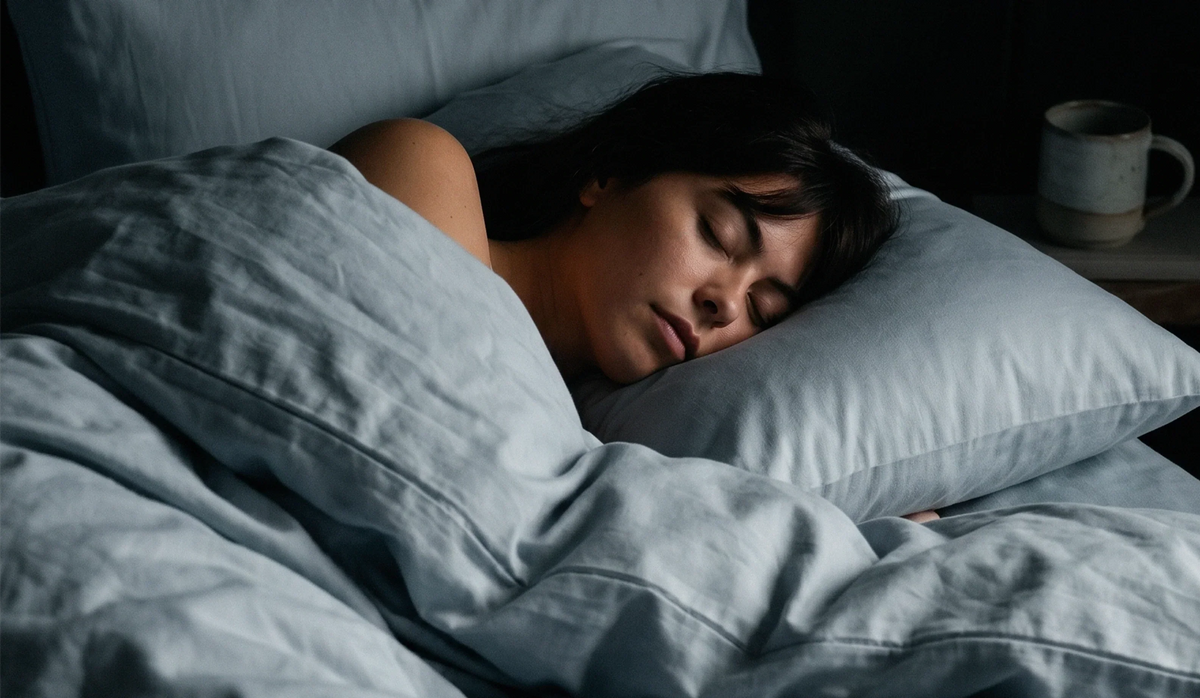
A hot evening often does not begin at the open window, but at the moment you lie down in bed and the material under the duvet holds more heat than is pleasant. How do you choose summer bedding so that the bedroom feels fresh and your sleep is not interrupted by discomfort? Focus above all on how the fabric handles moisture, air and the touch on your skin.
Summer bedding does not have to be thin at all costs. Its breathability, the natural quality of the material and the weave of the fabric matter more. A well-chosen set can make the night more pleasant even in a flat that heats up in the sun during the day.
How to choose summer bedding by material
The material determines whether bedding feels light, smooth or cosily textured against the body. There is no single right choice for everyone. It depends on whether you warm up easily at night, how sensitive you are to fabric texture and whether you want to iron your bedding.
Linen for airiness and natural lightness
Linen is one of the most pleasant materials for the warm months. It is breathable, wicks moisture well and its naturally irregular surface does not cling to the skin as closely as a very smooth fabric. That is exactly why it can feel fresh even on warm nights.
Linen bedding has a characteristic relaxed look. It becomes softer and more pleasant with every wash, yet remains naturally creased. If you love a bedroom that does not look staged but calm and lived-in, this is its strength. Those who expect a perfectly smooth bed without ironing may prefer another material.
Cotton percale for a clean, cool touch
Cotton percale is ideal for those who love the fresh feel of hotel bed linen. Thanks to its dense plain weave, it is smooth, firm and rather cool to the touch. Quality cotton also breathes well, so it suits most summer bedrooms and people who do not like the pronounced texture of linen.
Do not be guided only by the number indicating thread density. A higher number on its own does not guarantee better sleep. In summer, you will often appreciate a quality natural fibre and an airy weave more than an extremely dense fabric that can feel heavier.
Cotton sateen for smoothness without the chill
A sateen cotton weave has a subtle sheen and a very smooth surface. It is pleasant for sensitive skin and looks elegant, but on the hottest nights it may not suit everyone. The fabric usually drapes more and can feel slightly warmer than percale or linen.
It is a beautiful choice for those who want a soft, refined feel all year round and do not have extreme heat in the bedroom. But if you often wake up overheated, opt for linen or percale.
Lyocell, when night sweats are an issue
Lyocell is a fine cellulose fibre with an exceptionally smooth surface. It handles moisture well and can be especially pleasant for those who sweat at night or have sensitive skin. It tends to feel cool and fluid to the touch, though it behaves differently from natural linen or classic cotton.
When choosing, also pay attention to the composition. A blend of lyocell and cotton can combine smoothness and good breathability with the more natural feel familiar from cotton bedding.
The weave matters as much as the composition
Two duvet covers made of 100% cotton can behave completely differently during the night. The weaving method, weight and final finish make the difference. Summer sleep usually benefits from a plain weave that holds its shape, breathes and has a clean, slightly matte look. Percale is a typical example.
Flannel, microplush or heavier brushed cotton, on the other hand, belong to the colder part of the year. They are soft and warm, but in July they could create an unnecessarily warm layer around the body. Also beware of very heavy decorative finishes that can limit the natural breathability of the material.
Notice what is happening under the duvet
Bedding is only one part of a summer bed. Even the airiest material will have a limited effect if there is an overly warm winter duvet inside. For summer, it therefore makes sense to combine light bedding with a thinner duvet or a cooling filling. The temperature is then better distributed and the duvet will not feel heavy.
If the rooms in your home vary in temperature, you do not have to choose the same material for each of them. Smooth cotton sateen may work in a north-facing bedroom, while linen or percale will probably be better for an attic room or a city flat without air conditioning. Comfort is not a universal parameter but a personal feeling worth taking into account.
The right size makes for a calmer night
In summer, bedding that bunches up under you, slips or keeps sliding off the duvet is also unpleasant. So before buying, measure your duvet and pillows, especially if you have an extra-long duvet or a less common size. The cover should wrap the duvet naturally, without a lot of loose room and without straining the seams.
The type of closure matters too. A well-made zip is practical and discreet, while a hotel-style closure looks clean and lets you quickly adjust the look of the bed. Choose a solution you will find pleasant when changing the bedding every day, not just one that looks nice at first glance.
Colours will not cool the air, but they transform the atmosphere
Light shades on their own will not lower the temperature in the bedroom, yet they have their place in a summer interior. White, cream, soft grey, sand or muted natural tones make a space feel airier and work better with morning light. It is not a rule, but a mood you want to create in the evening.
Darker bedding can be just as elegant, especially in a bedroom with soft lighting. It simply tends to show traces of cream, dust or pet hair more. If you wash your bedding often, choose a shade that will stay beautiful after many care cycles, not just in the product photo.
How to care for summer bedding
To keep the material fresh, wash your bedding regularly according to the instructions on the label and turn it inside out before washing. This simple step protects the surface and colour, especially with darker shades. Do not overload the washing machine - the textile needs enough room to rinse well so that no detergent residue remains in it.
Linen and percale appreciate gentle drying. If you do not let the bedding dry out completely and fold it while still slightly damp, it will look neater. Linen does not need to be ironed to perfection. Its soft creases are part of the material and give the bed a relaxed, summery look.
Avoid using too much fabric softener. It can coat the fibres and reduce their ability to absorb and release moisture, which is exactly the property you need to preserve in summer. Cleanliness and lightness usually come from quality material and proper care, not from strong fragrance.
Choose bedding you will look forward to
When deciding, do not focus only on seasonal labels. Touch the material if you have the chance and imagine how it will feel after several hours of sleep. Do you want the crisp, fresh smoothness of percale, the airy texture of linen or the gentle drape of lyocell? The answer is often more accurate than a long list of specifications.
For a bedroom that easily overheats in summer, linen or TENCEL™ lyocell in a light, calm shade is a safe choice. If you want one set that you will also use outside the main season, fine cotton percale may make more sense. And when you mainly need relief from night sweats, look for a smooth material that manages moisture well.
In the evening, make your bed so that it does not feel like another source of heat, but like an invitation to unwind. A light cover, fresh air and a duvet suited to the season are small changes that can turn every summer night into a more pleasant ritual.
Share:
How to Choose a Pillow for Sleeping Without Compromise
Choosing the Right Fitted Sheet Size